Understanding Your Dog's Body Language: What They Are Trying to Tell You
6/3/20262 min read

Introduction to Canine Communication
Dogs are known for their loyalty and companionship, but their true feelings and intentions often lie in their body language. As a pet lover, being able to read your dog's signals can deepen the bond between you and your furry friend. Understanding these non-verbal cues will help you respond appropriately to your dog’s needs and emotions.
Key Body Language Signals
One of the primary ways dogs communicate is through their body posture and movements. For instance, when a dog approaches with a relaxed body and wagging tail, it typically signals happiness and friendliness. Conversely, a dog with stiff legs, raised hackles, and a lowered head may be feeling threatened or anxious. Observing these subtle differences can help you gauge how your dog is feeling in various situations.
Another common body language cue is tail positioning. A tail held high and wagging in a loose, circular manner often indicates excitement and joy. On the other hand, if your dog’s tail is tucked between their legs, it could mean they are feeling scared or submissive. Pay attention to these signals to understand your dog's emotional state better.
The Importance of Eye Contact and Facial Expressions
Eye contact is another essential aspect of canine body language. Dogs can express trust and affection through soft eye contact, while intense staring can indicate a challenge or threat. It's important to approach your dog with a calm demeanor and avoid direct, prolonged staring, which may be perceived as aggressive.
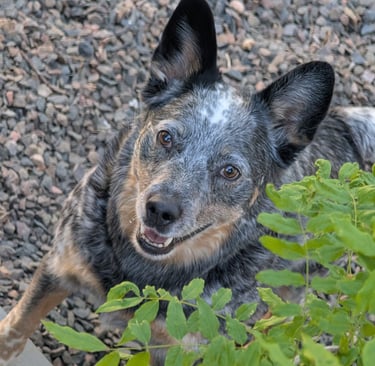
Facial expressions also play a vital role in canine communication. A relaxed mouth and slightly opened jaws indicate relaxation and comfort, while bared teeth or a wrinkled snout can signal fear or aggression. Being aware of these expressions can help you assess your dog’s mood in different environments or situations.
Responding to Your Dog’s Needs
By learning to read your dog’s body language signals, you can respond to their needs more effectively. For example, if your dog is exhibiting signs of stress, such as yawning, licking their lips, or avoiding eye contact, it may be an indication that they need space or a calming environment. Understanding these cues allows you to act appropriately, ensuring your dog feels safe and secure.
Additionally, engaging in positive reinforcement when your dog displays calm and friendly behavior can help reinforce their trust in you and promote a well-adjusted pet. Remember that communication is a two-way street, and building this understanding between you and your dog will enhance your overall relationship.
Conclusion
In summary, your dog’s body language is a crucial aspect of their emotional expression. By becoming more attuned to these signals, you can foster a deeper connection and create a happier, healthier environment for your beloved pet. Take the time to observe and learn from your dog, and watch as your bond grows stronger through mutual understanding.